What Is The Best Source Of Cocoa Flavanols And What Should You Actually Look For

A cocoa percentage tells only part of the story. Processing, measured flavanols, sourcing, and testing reveal far more about what ends up in your cup.
All featured products are selected by our editors and may include affiliate links. If you purchase through these links, we may earn a commission.
High Flavonal Cocoa sounds straightforward until you start looking at labels. One box says percentage of cacao, another says raw processing, another says actual number of flavanols.
Those details do not tell you the same thing. If flavanols are your priority, this guide explains how processing, measured content, sourcing, and testing can help you make a more informed choice.
Why The Cocoa You Choose Matters More Than Most People Realize
Both powders may contain cacao, yet they can arrive at your kitchen with completely different flavanol profiles. Variety is a factor, but what happens after harvest needs to be looked at very closely. The way the cacao is processed can determine how many of the naturally occurring chemicals remain in the cacao powder.
That distinction matters because cocoa flavanols are not reliably represented by a large cacao percentage printed on packaging. A product can be pure cocoa and still provide little information about its measured flavanol content.
How Processing Can Change What Remains In Cocoa
Special attention should be paid to alkalisation. On average, total flavanols were significantly higher in natural nonalkalized powders than in gradually alkalised powders in a published research of commercial cocoa powders . Flavanol levels decreased with increasing alkalinity.
Fermentation, drying, roasting, and oxidation also shape cacao before you consume it. That makes processing history useful information when evaluating High Flavonal Cocoa. A detailed producer should be able to explain what happens between harvesting the cacao and packing the finished powder.
Why A Flavanol Amount Gives You More Useful Context
A label saying one hundred percent cacao identifies ingredients, not the flavanol quantity you will consume. A stated milligram amount gives you another piece of information, although supporting test data and a clearly defined serving size make that figure considerably more meaningful.
This concern appears a lot on Reddit. When people look for cocoa they mention flavanol content measured, along with heavy metals results and additives. Some go as far as to mention the difficulties in finding products that report both flavanol values and laboratory information.
Why Chocolate And Cocoa Powder Are Different Choices
Chocolate With Flavanols can add cocoa compounds, but you can’t know exactly how much flavanols a serving has by the cacao content alone. Chocolate also has varied ingredients and a different nutritional profile depending on its composition.
Powder offers more flexibility when you want cacao in drinks, oats, smoothies, or recipes. The more useful question is therefore not simply how dark a chocolate looks. Ask how the cacao was processed and whether flavanol content has actually been measured.
What Makes High Flavanol Organic Cocoa Powder Different
There are three pieces of evidence that make for a good evaluation of High Flavanol Organic Cocoa Powder. Look at the processing of the cocoa, see if the flavanol content is determined, then look at batch testing. Together, those details tell you a lot more than package words.
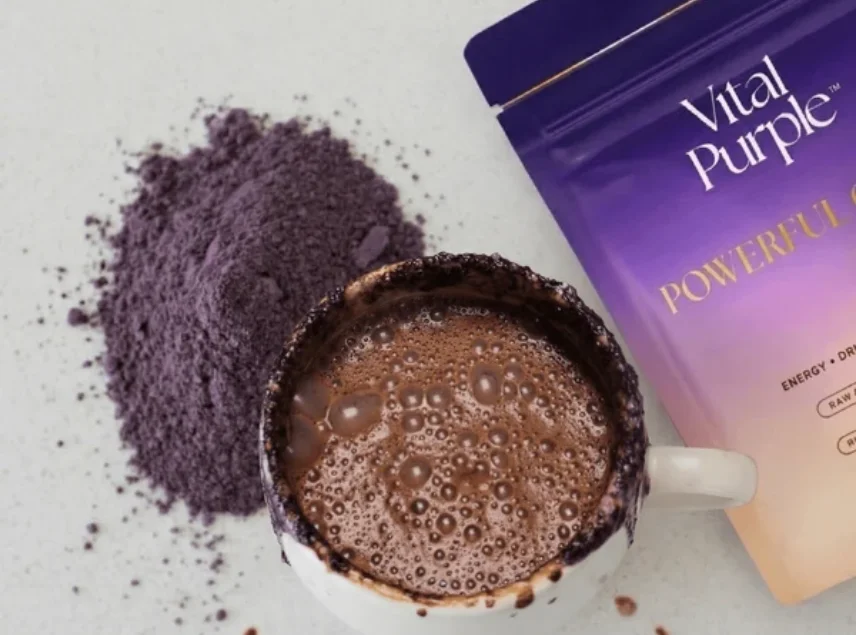
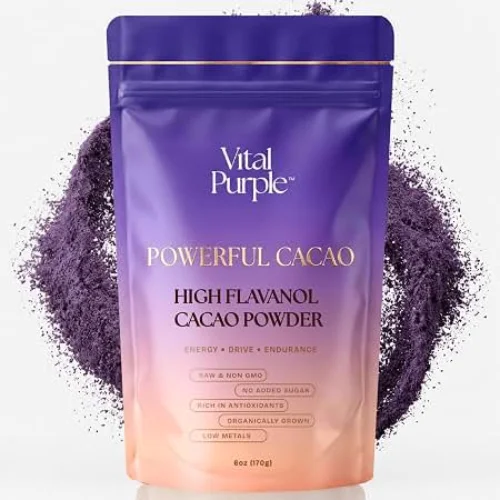
Vital Purple offers an interesting example. Its powder uses non-fermented Arriba Nacional cacao from Ecuador. The company says cacao is kept below 85 degrees Fahrenheit and processed without roasting, with the intention of limiting oxidation and retaining naturally occurring compounds.
How Vital Purple Preserves Its Cocoa Flavanols
Vital Purple says moisture is removed soon after harvest while fermentation and roasting are avoided. Its approach is unusual because the finished product remains whole cacao rather than relying on an added flavanol extract.
Before the flavanol number is used as a decisive factor, one detail needs to be clarified. The current Vital Purple product page also shows 900 mg and 1900 mg flavanols per serving. Another current brand page states 1900 mg. So it makes sense to look directly at the current batch docs.
What The Purple Color Can Tell You About Processing
Vital Purple links its distinctive purple appearance to its cacao and preservation process. The company says naturally occurring anthocyanins contribute to the color and that limiting oxidation helps preserve the purple hue.
Colour is an interesting contextual support but should not replace measurable data. The sight of purple will not reveal exactly how much flavanol there is in a teaspoon. Processing information and lab tests still are the most robust evidence for comparing what a product says to what it delivers.
Why The Twenty-Five Percent Fat Content Is Worth Understanding
Vital Purple purposefully keeps a higher percentage of cacao oil, which means the powder may not blend as well as more thoroughly processed versions. The company is positioning this as part of its less processed strategy, instead of trying to disguise the trade-off.
This change makes a difference in normal use. Texture may surprise you if you expect rapid drink powder. To get richer cocoa into your routine, you might find it easier to start out with a tiny bit of warm liquid and mix it in before adding the remainder.
How To Choose Cocoa When Flavanol Content Is Your Priority
So when you wonder what the best source of cocoa flavanols is don’t make a selection based on one pretty statistic. A more credible checklist combines quantifiable data with plainspokenness regarding how the chocolate got to its end shape.
Look for these details before choosing:
- A stated flavanol amount tied to a defined serving
- Information on alkalisation and other treatments
- Ingredient transparency
- Cacao origin and sourcing information
- Accessible batch testing for contaminants such as lead and cadmium
Heavy metals deserve attention because cacao can contain naturally occurring cadmium and other contaminants. Vital Purple says each batch is third party tested and publishes heavy metal information, although current figures should always be checked against the relevant batch rather than assumed from an older result.
FAQs
Is Nonalkalized Cocoa Better For Flavanol Content?
A study of commercial powders indicated that natural nonalkalized cocoa had higher average flavanol contents than alkalised samples. measured amount provides more meaningful product specific information as actual concentrations still fluctuate.
Should Heavy Metal Testing Matter When Choosing Cocoa?
Yes, especially when cocoa becomes a regular part of your routine. Discussions on Reddit show people frequently considering flavanol content and heavy metal testing together rather than treating them as separate concerns.
Is Purple Cocoa Automatically High In Flavanols?
Colour can offer hints about cocoa type and processing, but it cannot substitute for a measured flavanol result. Vital Purple claims its purple colour is due to anthocyanin preservation, and its reported flavanol values are an independent claim to be validated against current batch data.
Once you start looking beyond just cacao % alone, finding worthwhile chocolate becomes easier. Vital Purple is a good illustration of why processing, measured flavanol content, origin and current laboratory results demand attention when purchasing High Flavonal Cocoa.
Follow OutdoorHues for more practical insights on health and food.
Recent Blogs
-

Bearbottom Pants That Make Everyday Dressing Easier
-

Cam Pro or Video Doorbell? Which is the Right Wyze Outdoor Camera for Your Home
-
What Is The Best Source Of Cocoa Flavanols And What Should You Actually Look For
-

Title: Best Watches To Upgrade Your Collection | OutdoorHues
-
Carmen’s Medicinals Guide: CBD Products, Formats & Buying Tips